
Many Glasgow homeowners assume all wood floors perform roughly the same over time. That assumption can lead to costly regrets. Engineered wood flooring has quietly become the smarter long-term choice for Scottish properties, yet the full picture rarely gets explained clearly. This guide covers exactly how engineered floors are built for durability, how they compare to solid hardwood in real-world conditions, what shortens or extends their life, and the practical steps you can take to protect your investment for decades.
Key Takeaways
| Point | Details |
|---|---|
| Strong layered construction | Engineered wood floors use multiple layers for added stability and long-term wear. |
| Lasts 20-50 years | Durable enough for decades with proper care, making it suitable for busy homes. |
| Ideal for Scottish climate | Better moisture resistance than solid wood helps these floors perform well in Glasgow and Central Scotland. |
| Simple maintenance matters | Routine care is the simplest way to maximise your floor’s lifespan and appearance. |
What makes engineered wood floors durable?
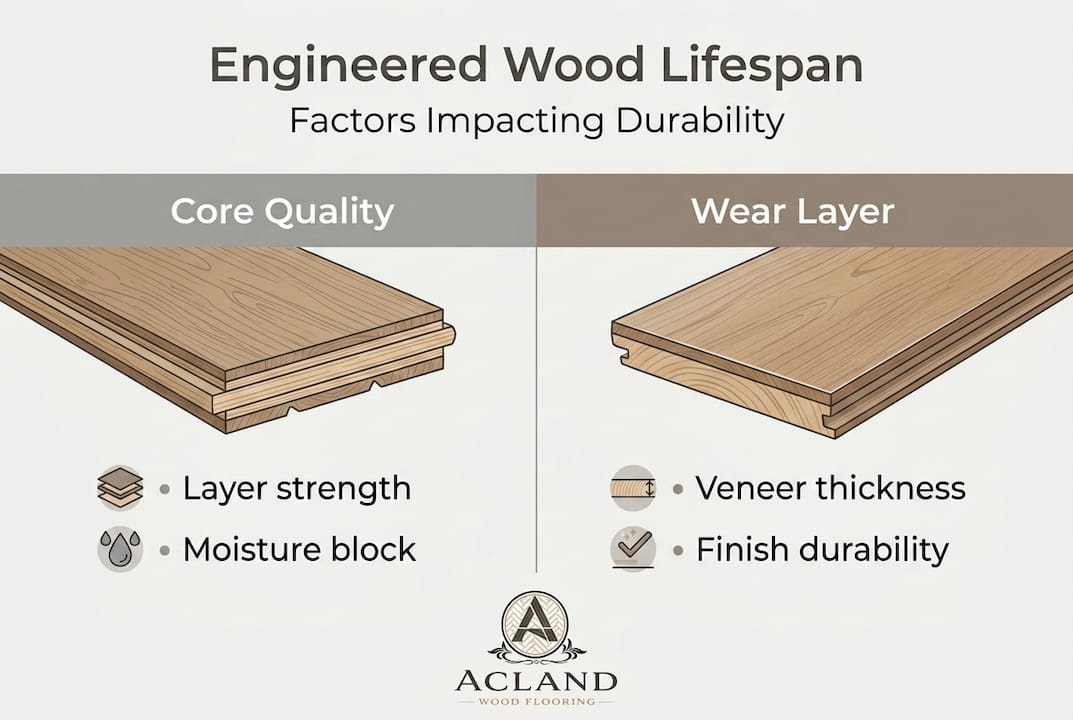
To understand why engineered wood floors hold up so well, you need to understand how they are actually built. Unlike a single plank of solid timber, an engineered wood floor is made from multiple layers of wood bonded together. The core layers, typically high-density fibreboard (HDF) or cross-layered timber plies, run in alternating directions. This cross-grain construction counteracts the natural tendency of wood to expand and contract with changes in temperature and humidity.
On top of this stable core sits the wear layer, a real wood veneer that gives the floor its look and feel. The thickness of that veneer directly influences how long the floor can last and whether it can ever be sanded and refinished. Thicker veneers of 4mm or more allow for one or two refinishes over the floor’s lifetime.
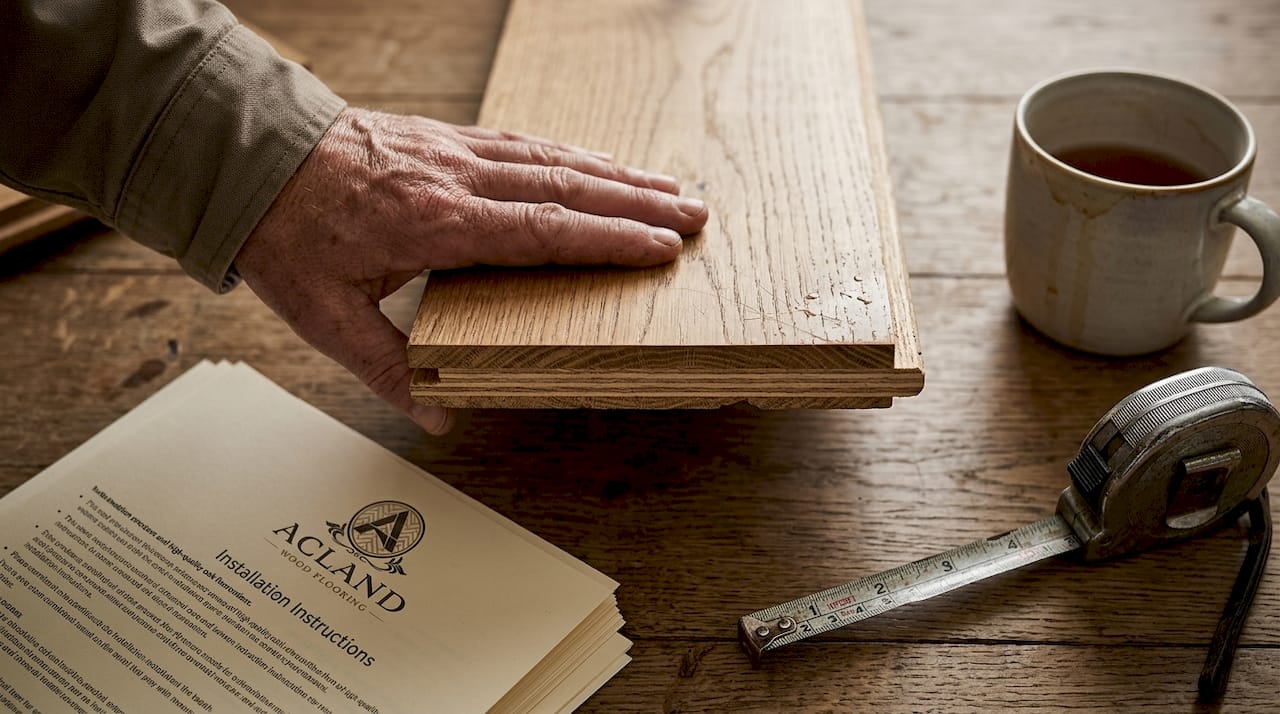
Engineered wood flooring fitting in Scottish homes benefits enormously from this construction because Scotland’s climate introduces daily fluctuations in indoor moisture and temperature. A solid plank would react to those shifts by swelling and shrinking. An engineered board largely absorbs them without moving.
Engineered wood flooring typically lasts 20 to 50 years with proper maintenance, depending on veneer thickness and quality. That is not a small window. Fifty years covers most of a family’s life in a home.
Key features that contribute to engineered floor durability include:
- Cross-layered core construction that resists warping and movement
- Factory-applied finishes such as UV-cured lacquers or hardwax oils that are harder than most site-applied alternatives
- Veneer species choice which affects natural hardness (oak, for instance, offers excellent everyday resilience)
- Aluminium oxide coatings on some premium boards, which dramatically improve scratch resistance
Pro Tip: When selecting engineered boards, always ask for the exact wear layer thickness in millimetres. Anything below 2mm limits your refinishing options and may shorten the floor’s usable lifespan considerably.
Engineered wood vs solid hardwood: Which lasts longer?
Having seen how engineered wood floors are constructed for durability, it is vital to compare them directly with their traditional counterpart. Solid hardwood floors carry a romantic reputation for longevity, and that reputation is not entirely undeserved. A solid oak floor, properly maintained and refinished over generations, can genuinely last 50 to 100 years or more. But that lifespan depends heavily on consistent conditions and the willingness to invest in periodic professional refinishing.
Engineered wood flooring typically lasts 20 to 50 years, shorter than solid hardwood’s potential but sufficient for the vast majority of residential homes. Crucially, for Glasgow homes where moisture levels fluctuate with the seasons, engineered wood maintains its structural integrity far more reliably than solid planks.
| Feature | Engineered wood | Solid hardwood |
|---|---|---|
| Typical lifespan | 20 to 50 years | 50 to 100+ years |
| Refinishing potential | Limited (1 to 2 times) | Unlimited |
| Moisture resistance | Superior | Poor to moderate |
| Stability in variable climates | Excellent | Limited |
| Installation versatility | High (floating, glue, nail) | Moderate |
| Scratch resistance | Slightly higher (modern finishes) | Depends on species |
Some tests show engineered wood to be slightly more scratch-resistant due to its factory-applied finishes, while experts note that solid hardwood holds the advantage for unlimited refinishing. However, in moisture-prone areas, engineered wood is the clearly superior choice.
“For most Scottish households, asking whether engineered or solid hardwood lasts longer is the wrong question. The better question is: which floor will still look and perform well in 20 years given your home’s specific conditions?”
Solid hardwood is the right answer for specific situations. A formal dining room in a well-controlled, centrally-heated Victorian property with little humidity variation could thrive with solid oak for generations. For solid wood flooring benefits in more controlled settings, it remains a compelling option. But for most modern Glasgow homes with underfloor heating, open-plan kitchens, and variable Scottish weather, engineered wood wins on practical performance.
What affects the durability of engineered wood floors?
Now that the differences have been highlighted, it is crucial to understand what can strengthen or weaken the durability of engineered wood floors in real homes. Not all engineered floors age equally. Several factors determine whether your floor reaches the lower or upper end of its lifespan.
Engineered wood flooring lifespan varies based on veneer thickness and quality. A budget board with a 1.5mm veneer will look tired within a decade of family life, while a premium board with a 6mm oak veneer could remain serviceable for 40 or 50 years.
| Veneer thickness | Refinishing potential | Approximate lifespan |
|---|---|---|
| Under 2mm | None | 10 to 20 years |
| 2mm to 3.5mm | Once | 20 to 30 years |
| 4mm to 6mm | One to two times | 30 to 50 years |
| Over 6mm | Two or more times | Up to 50+ years |
Beyond veneer thickness, the factors below play a significant role:
- Installation quality: A poorly fitted floor with gaps, insufficient acclimatisation, or wrong adhesive will fail early regardless of board quality. You can avoid wood flooring mistakes by working with experienced specialists from the outset.
- Humidity control: Indoor relative humidity should ideally stay between 40% and 60%. Scottish winters with central heating running full-blast can drop indoor humidity sharply, causing boards to gap.
- Subfloor condition: An uneven or damp subfloor introduces stress into every board sitting above it. This shortens life dramatically.
- Traffic levels: Hallways and kitchens take far heavier wear than bedrooms. Choosing wood flooring for every room means matching board quality and finish to the specific demands of each space.
- UV exposure: Prolonged direct sunlight causes colour change and can break down surface finishes faster than foot traffic in some cases.
Maximising your engineered floor’s life: Practical tips
Knowing the factors that affect durability, let us move into the highest-impact steps you can take to get the most out of your engineered floor investment. Proper maintenance enables engineered wood floors to reach the upper range of their expected lifespan, meaning the difference between 20 years and 50 years can come down to everyday habits.
- Sweep or vacuum daily in high-traffic zones. Fine grit and dust act like sandpaper under foot traffic, gradually dulling and scratching the finish.
- Mop with a well-wrung, barely damp cloth. Never use soaking wet mops or steam cleaners. Excess moisture is the enemy of any wood floor.
- Use manufacturer-approved cleaning products. Generic floor cleaners often leave residue that builds up and traps dirt. Ask your installer which product suits your specific finish.
- Place felt pads under all furniture legs. Chair and table legs are among the leading causes of finish wear. Replace felt pads every six months as they compress and lose effectiveness.
- Use entrance mats at all external doors. Most damaging grit enters from outside. A good-quality mat significantly reduces what reaches your floor.
- Keep indoor humidity stable. A simple hygrometer (a device that measures air moisture) placed in the main living area will tell you when conditions are drifting outside the safe range.
- Address spills immediately. Water allowed to sit even briefly can penetrate the finish and begin affecting the wood beneath.
Pro Tip: Inspect your floor’s finish once a year by dropping a small amount of water onto a low-traffic area. If the water beads up, the finish is still doing its job. If it soaks in quickly, it is time to consider a maintenance coat. Catching this early prevents the wood itself from becoming exposed to damage. If you spot unusual wear patterns early, knowing wood floor care mistakes to avoid can save you from an expensive fix later.
Our perspective: Choose engineered wood for Scottish homes with confidence
Here is a direct view from professionals who spend every working week fitting and advising on wood floors across Glasgow and Central Scotland. The debate about whether engineered wood “lasts as long” as solid hardwood misses something important. Most residential floors do not get refinished even once in their lifetime. Homeowners move, redecorate, or choose to replace rather than restore. So the theoretical refinishing advantage of solid hardwood rarely translates into a practical benefit.
What does translate into a daily benefit is stability. Engineered wood is superior in moisture-prone areas, making it an exceptionally smart choice for Scottish homes where the gap between a damp November and a warm, centrally-heated January is significant. We have seen solid floors gap and creak within two years of fitting in older Glasgow tenements. We have seen engineered floors in the same buildings remain flat, tight, and beautiful after fifteen years.
If you want a floor that suits wood flooring for humid climates, modern engineered wood with a quality finish gives you stability and appearance that solid hardwood struggles to match in real Scottish conditions. The honest advice is simple: stop worrying about theoretical lifespans and start choosing for the climate you actually live in.
Ready to enjoy lasting engineered wood flooring?
If this guide has helped you see that the right engineered floor, properly fitted and maintained, is a genuinely long-lasting investment, the natural next step is expert advice tailored to your specific home.

At Acland Wood Flooring, we specialise exclusively in wood floors. We know what products perform best in Glasgow homes, which finishes suit busy families, and how to fit boards so they last. Explore our range of engineered wood flooring in Glasgow or browse our full wood flooring supply and installation service to find the right solution for your home. Get in touch for honest, no-pressure guidance from people who only ever do wood floors.
Frequently asked questions
How long can engineered wood flooring last in a busy home?
With proper care, engineered wood flooring lasts 20 to 50 years, even in high-traffic spaces, provided the veneer is a quality thickness and maintenance is consistent.
Is engineered wood more resistant to scratches than solid hardwood?
Modern engineered finishes make many engineered boards slightly more scratch-resistant than solid hardwood, particularly those with aluminium oxide or UV-cured lacquer coatings.
Can engineered wood flooring be used in kitchens or bathrooms?
Engineered wood is well suited to kitchens given its superior performance in moisture-prone areas; for bathrooms, check specific manufacturer guidance as not all boards are approved for full wet-room use.
What is the main benefit of engineered wood in Scottish homes?
Engineered wood offers far greater stability in the humid, variable climate of central Scotland, significantly reducing the risk of boards warping, gapping, or squeaking over time.
How can I ensure my engineered wood floor stays durable for years?
Daily sweeping, controlled indoor humidity, prompt spill management, and regular finish checks will help your floor reach its full potential lifespan of up to 50 years.