
Your hardwood floors looked stunning when first installed. Now they look tired, dull, and no amount of mopping seems to bring the shine back. Many homeowners reach for another cleaning product at this point, not realising that when cleaning no longer restores shine, the protective finish has worn away entirely. That is the moment to understand why consider floor refinishing rather than replacement. Refinishing can restore your floors, extend their lifespan dramatically, and cost a fraction of laying new boards throughout your home.
Key takeaways
| Point | Details |
|---|---|
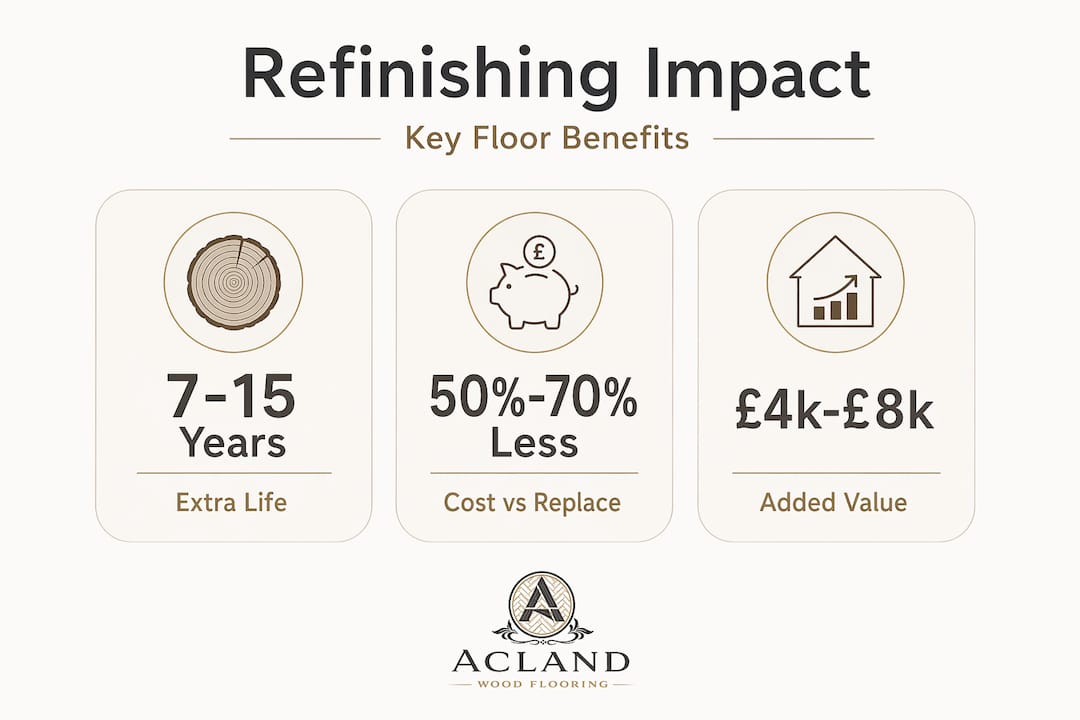
| Refinishing vs replacement | Refinishing costs 50% to 70% less than full floor replacement and preserves your existing boards. |
| Know the warning signs | Persistent dullness and surface scratches that cleaning cannot fix mean your finish is gone. |
| Longevity gains | A professional refinish can extend your floor’s life by 7 to 15 years. |
| Property value boost | Refinished floors can add £4,000 to £8,000 to your home’s market value before a sale. |
| Choose the right finish | Water-based polyurethane dries faster and keeps the wood’s natural colour better than oil-based options. |
What floor refinishing actually involves
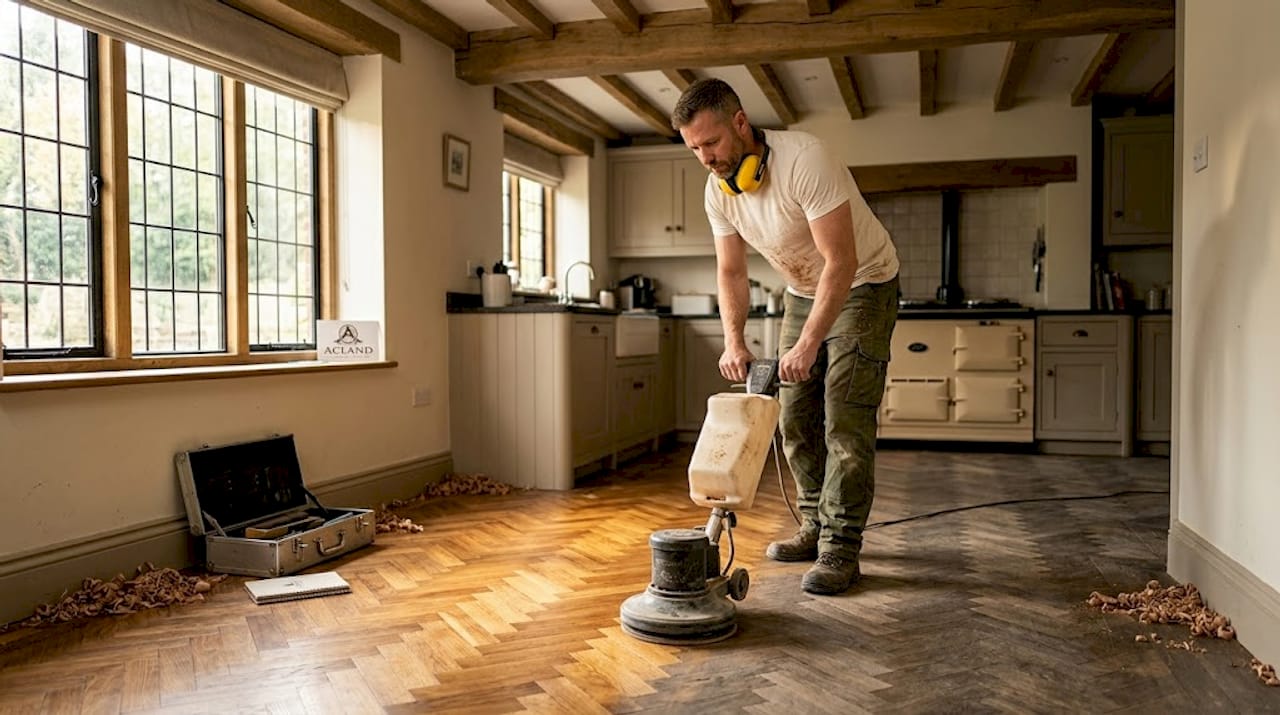
Floor refinishing is the process of sanding down hardwood boards to bare wood, then applying fresh coats of protective finish. It removes surface scratches, discolouration, and worn finish layers, leaving you with what looks and performs like a newly laid floor. This is not the same as a simple clean and polish.
There is also a lighter option called screening, sometimes called buff-and-coat. This method scuffs the existing finish lightly without sanding to bare wood, then applies a new top coat. It suits floors that are lightly worn but structurally sound. Screening costs around £1.20 to £2.40 per square foot versus £2.40 to £6.40 for a full sand, making it an attractive option when your floors are not yet badly damaged.
The choice between the two depends entirely on your floor’s condition. If the finish is merely scuffed, screening works well. If the wood itself shows grey patches, deep scratches, or visible bare grain, you need a full refinish. Dustless sanding systems now capture up to 99% of dust, so the process is far cleaner than most people expect.
| Option | Best for | Approx. cost per sq ft | Downtime |
|---|---|---|---|
| Screening (buff-and-coat) | Light surface wear | £1.20 to £2.40 | 1 day |
| Full sand and refinish | Deep scratches, bare wood | £2.40 to £6.40 | 3 to 5 days |
Pro Tip: If you are unsure which option suits your floor, check our guide on assessing floor quality before booking any work.
The real benefits of floor refinishing
Understanding the benefits of floor refinishing helps you see why this is one of the most cost-effective decisions a homeowner or property manager can make.
- Restored appearance. Sanding removes years of scratches, stains, and dullness. Your floors look as good as they did on day one, which matters enormously for first impressions in both homes and rental properties.
- Significant cost savings. Refinishing costs £2.40 to £6.40 per square foot compared to £4.80 to £14.50 for full replacement. That difference is substantial on even a medium-sized room.
- Higher property value. Refinished hardwood floors can add £4,000 to £8,000 to your home’s value and help properties sell faster. If you are preparing a home for sale, this is one of the highest-return improvements available.
- Improved safety. Worn and uneven floor surfaces create real hazards. Neglected high-traffic floors can cause injury due to uneven traction, which is a particular concern for commercial property managers and landlords.
- Environmental responsibility. Preserving your existing boards rather than ripping them out and replacing them reduces waste significantly.
“Refinishing is not purely cosmetic. For commercial spaces, gyms, and busy family homes, it is a safety measure as much as a visual one. Worn surfaces lose traction and create trip hazards that no amount of cleaning can fix.”
Refinishing also extends floor lifespan by 7 to 15 years, which puts the cost in sharp perspective. You are not just restoring appearance. You are buying yourself another decade before any major floor work is needed. For more on how flooring choices affect long-term value, see how flooring affects your home.
Signs it is time to refinish and when to do it
Many homeowners delay because they are unsure whether they genuinely need refinishing or just a thorough clean. Here are the clearest indicators that refinishing is the right move:
- Persistent dullness. You have cleaned, polished, and buffed, but the floor still looks flat. This tells you the finish itself is gone, not just dirty.
- Visible scratches that do not wipe away. Surface-level scratches in the finish respond to screening. Scratches in the wood itself require a full sand.
- Grey or dark patches. These indicate moisture has penetrated the bare wood. Act quickly, as prolonged exposure leads to deeper damage.
- Boards feel rough underfoot. When the finish wears away, the grain opens up and the surface feels coarse. This is both uncomfortable and a sign of accelerating wear.
- Cleaning products stop working. As noted, routine cleaning no longer restoring shine is a definitive sign the protective layer has failed.
Timing matters too. Spring is the preferred season for refinishing because the ideal curing temperature for new finish sits between 18°C and 24°C. Consistent temperature and moderate humidity produce a harder, more durable finish. Attempting a refinish in winter with the heating running hard or in a damp Scottish autumn can compromise the final result.
Pro Tip: Most solid hardwood floors can be refinished 5 to 8 times over their lifetime, depending on board thickness. Engineered boards typically allow 1 to 3 refinishes. Read more about engineered floor lifespans to plan accordingly.
Cost overview and what affects the price
The floor refinishing advantages become even clearer when you look at actual numbers. Professional full-sand refinishing costs £2.40 to £6.40 per square foot, compared to £4.80 to £14.50 for full replacement. On a 30-square-metre room, that is a potential saving of several thousand pounds.
Several factors influence where your project sits within that range:
- Stain colour changes. Switching from a light to a dark stain, or vice versa, adds time and materials.
- Damage repairs. Filling gaps, fixing squeaky boards, or replacing isolated damaged boards adds to the total.
- Room size and layout. Tight spaces with lots of obstacles cost more per square metre than open plan areas.
- Finish choice. Water-based polyurethane dries faster, produces less odour, and maintains the wood’s natural colour. Oil-based finishes take longer to cure but produce a warmer, slightly amber tone some homeowners prefer.
On the DIY question, be cautious. Inadequate sanding can cause irreversible damage to boards, leaving uneven surfaces that cost more to fix than the original refinishing would have. If you want to reduce costs, a practical middle path is to hire a professional for the sanding and apply the finish yourself, though this requires careful preparation.
For commercial property managers, the commercial wood flooring guide from Aclandwoodflooring covers wear ratings, maintenance schedules, and the cost models that apply to high-traffic environments specifically.
My perspective on why homeowners wait too long
I have seen the same pattern play out dozens of times. A homeowner notices the floor looks flat and worn. They buy a new mop, try a different polish, maybe hire a cleaning company. Six months later, the floor looks worse. By the time they call us, the boards have grey patches and the finish is completely gone in the main walkways.
The cost of that delay is real. What would have been a straightforward refinishing job now involves board repairs and more sanding. What might have cost £600 to £800 has become a £1,200 project. I am not sharing this to alarm you. I am sharing it because the importance of floor refinishing is genuinely underestimated.
The other thing I see underestimated is the safety angle. A worn floor in a hallway or on a staircase is a slip hazard, particularly for older residents or young children. Aesthetics aside, there is a practical duty of care here that property managers in particular should take seriously.
My honest recommendation: if you are already asking the question, the answer is probably yes. Get a professional assessment before you dismiss refinishing as an unnecessary expense.
— John
Ready to restore your floors?
If you have read this far, you likely already know your floors need attention. Aclandwoodflooring works with homeowners and property managers across Glasgow to assess floor condition and recommend the right treatment, whether that is a full sand and refinish, a buff-and-coat, or targeted repairs.

Explore our detailed guide to wood floor layering methods to understand the techniques behind a quality refinishing job, or browse wood floor styles for modern homes if refinishing has inspired you to think about a fresh direction. For personalised advice from a team that works exclusively with wood floors, get in touch with Aclandwoodflooring directly.
FAQ
Why consider floor refinishing instead of replacing?
Refinishing costs 50% to 70% less than replacement and can extend your floor’s life by 7 to 15 years. It preserves the existing timber, which is both cost-effective and environmentally sound.
How do I know when my floor needs refinishing?
When routine cleaning and polishing no longer restore your floor’s shine, the protective finish has worn away and refinishing is needed. Visible scratches in the wood grain and grey or dark patches are also clear indicators.
How much does floor refinishing cost in the UK?
A full sand and refinish typically costs between £2.40 and £6.40 per square foot, depending on floor condition, room size, and finish type. Screening (buff-and-coat) for lightly worn floors costs considerably less at around £1.20 to £2.40 per square foot.
Can floor refinishing increase my property value?
Yes. Refinished hardwood floors can add £4,000 to £8,000 to your home’s market value and help properties sell more quickly, making it one of the better-value pre-sale improvements available.
Is spring really the best time to refinish floors?
Spring is generally preferred because consistent temperatures between 18°C and 24°C allow the new finish to cure properly. Extreme cold or high humidity can affect finish hardness and long-term durability.