
Wood flooring has a reputation it doesn’t entirely deserve. Many Glasgow homeowners assume it’s fragile, fussy, or simply beyond their budget, yet modern finishes and manufacturing advances have changed the picture entirely. Whether you’re renovating a Victorian terrace in the West End or fitting out a new build in East Kilbride, today’s wood floors offer warmth, durability, and genuine long-term value. This guide walks you through every key decision: which type suits your home, what to expect from professional installation, and how to make a choice you won’t regret.
Key Takeaways
| Point | Details |
|---|---|
| Know your options | Different wood flooring types offer unique advantages for every room in your home. |
| Value beyond style | Quality wood flooring boosts your property’s value while bringing warmth and durability. |
| Plan your installation | Professional fitting and careful preparation are essential for a flawless, lasting result. |
| Maintenance matters | Regular, simple care can keep your wood floors beautiful for years to come. |
Understanding your wood flooring options
Not all wood floors are the same, and the differences matter more than most people realise. The four main types you’ll encounter are engineered wood, solid wood, parquet or herringbone, and wide plank. Each has a distinct structure, price point, and best use case.
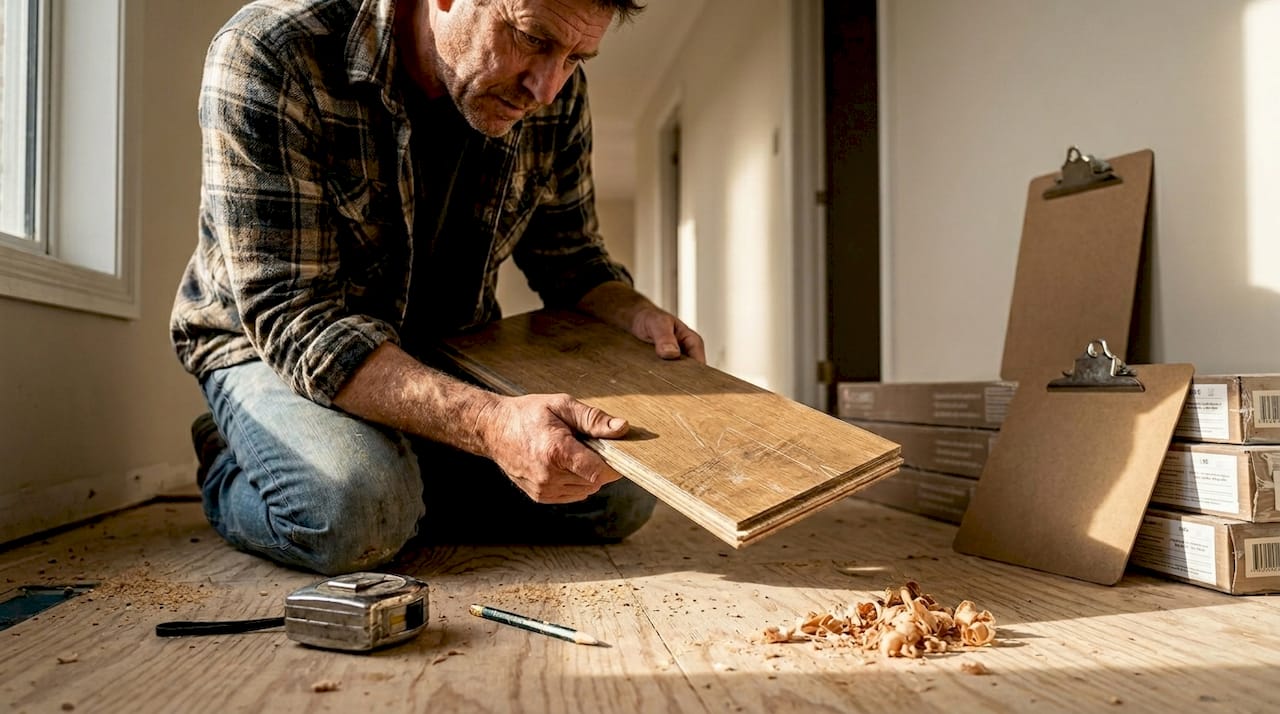
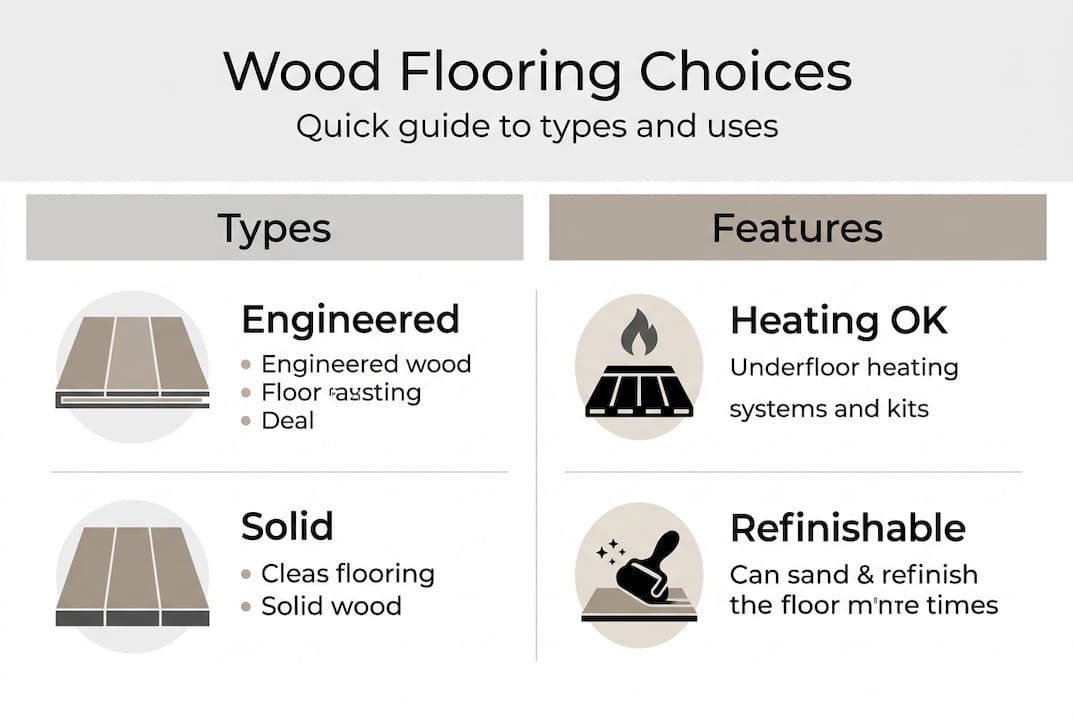
Engineered wood flooring is built from a real wood top layer bonded to multiple layers of plywood or HDF beneath. This cross-ply construction resists moisture and movement far better than solid timber, making it durable and stylish for busy family homes. Solid wood flooring is a single piece of timber throughout, offering the ability to be sanded and refinished multiple times over decades. It’s a premium long-term investment, though it needs careful acclimatisation before fitting.
Herringbone and parquet styles use shorter boards laid in geometric patterns, adding visual drama to hallways and living rooms. Wide plank flooring choices give rooms a relaxed, contemporary feel and work particularly well in open-plan spaces.
Key advantages and disadvantages at a glance:
- Engineered wood: Stable in varying humidity, compatible with underfloor heating, wide species choice. Less depth for sanding than solid.
- Solid wood: Can be refinished many times, ages beautifully, premium feel. More sensitive to moisture and temperature swings.
- Herringbone/parquet: Distinctive, timeless pattern. Requires skilled fitting and precise subfloor preparation.
- Wide plank: Spacious, modern look. Wider boards can show more natural movement over time.
| Type | Best rooms | Underfloor heating | Refinishing |
|---|---|---|---|
| Engineered | Any room | Yes | Limited |
| Solid | Living rooms, bedrooms | With caution | Multiple times |
| Herringbone | Hallways, reception rooms | Yes (engineered) | Depends on type |
| Wide plank | Open-plan, lounge | Yes (engineered) | Depends on type |
Pro Tip: If you’re planning underfloor heating, always confirm compatibility with your chosen product before purchasing. Engineered boards are typically the safer option.
How wood flooring adds value and comfort to your home
Once you understand your options, it’s easy to see why wood flooring remains such a valued choice for residents across Central Scotland. The benefits go well beyond aesthetics.
High-quality wood flooring can meaningfully increase a home’s resale value and buyer appeal, particularly in Glasgow’s competitive property market. Estate agents consistently report that well-maintained wood floors are among the features buyers notice first and remember longest.
Beyond value, wood floors offer genuine comfort underfoot, particularly relevant in Scotland’s cooler climate. Timber has natural insulating properties, retaining warmth in a way that ceramic tiles simply cannot match. Paired with underfloor heating, the result is a floor that feels genuinely pleasant to walk on year-round.
Visually, wood suits almost every interior style. From the period cornicing of a Southside tenement to a sleek modern kitchen extension, herringbone wood floors and wide planks both complement the architecture rather than fighting it. Browse Glasgow flooring projects to see how varied the results can be.
“Buyers in the UK increasingly prioritise wood flooring as a key feature, with many willing to pay a premium for homes where quality floors are already fitted.”
Why wood floors outperform other options for maintenance:
- Sweep or vacuum regularly; no specialist equipment needed.
- Spills wipe away cleanly with a damp cloth if addressed promptly.
- Scratches and wear can often be addressed with a light sand and re-oil rather than full replacement.
- No grout lines to harbour dirt, unlike ceramic or stone tiles.
Essential factors for choosing the right wood flooring
Knowing the benefits, it’s important to consider several crucial factors before making your choice. Getting this right saves money and frustration later.
Room use, subfloor type, and climate all affect how a floor performs over time. A busy kitchen demands different specifications than a quiet bedroom. Equally, a concrete subfloor requires a different fitting method than a suspended timber floor.
| Room | Recommended type | Finish | Fitting method |
|---|---|---|---|
| Hallway | Engineered or herringbone | Hardwearing lacquer | Glue-down or float |
| Living room | Solid or engineered plank | Oil or lacquer | Secret nail or float |
| Bedroom | Solid or engineered | Oil | Float or nail |
| Kitchen | Engineered | Hardwearing lacquer | Glue-down |
Step-by-step process for selecting the right product:
- Assess the room: traffic levels, moisture risk, and existing subfloor condition.
- Set a realistic budget including fitting costs, not just materials.
- Choose a species and finish that suits your interior style and maintenance preferences.
- Confirm underfloor heating compatibility if relevant.
- Review flooring pattern ideas for inspiration before committing to a layout.
- Request samples and view them in your own lighting before ordering.
Thickness matters too. Thicker boards allow more sanding over their lifetime, which is worth paying for in high-traffic areas. A 20mm solid board will outlast a 14mm one significantly, all else being equal.
Installation: why professional fitting makes a difference
Choosing great materials means little if the installation isn’t expertly handled. This is the stage where most DIY projects go wrong, and where professional expertise pays for itself many times over.
Skilled installation ensures your floor lasts longer and looks flawless from day one. A professional fitter checks subfloor levels, manages acclimatisation correctly, and uses the right adhesives and fixings for each product type. These details aren’t visible once the job is done, but they determine whether your floor stays flat and tight for decades or starts to creak and lift within a few years.
Typical professional installation steps:
- Survey the subfloor for levelness and moisture content.
- Allow boards to acclimatise in the room for the manufacturer’s recommended period.
- Prepare the subfloor: level, clean, and dry.
- Lay the boards using the correct method for the product and subfloor.
- Fit skirting, beading, and threshold strips neatly.
- Apply finishing coat if required and carry out final inspection.
Good construction project communication between you and your fitter also makes a real difference. Discuss access, furniture removal, and timing before work begins to avoid delays.
Pro Tip: Before work starts, ask your fitter directly about the warranty on both materials and labour. A confident professional will give you a clear answer without hesitation.
The overlooked secret to a wooden floor that lasts
With the essentials in mind, here’s an expert insight every homeowner should hear: the product you choose matters far less than the preparation that happens before a single board is laid.
We’ve seen beautiful, expensive timber floors fail within two years because the subfloor wasn’t properly levelled or the boards weren’t acclimatised. Conversely, a mid-range engineered floor fitted with proper care over a well-prepared subfloor can look exceptional for twenty years. The expert wood flooring tips that make the biggest difference are rarely the glamorous ones. They’re about patience, moisture readings, and getting the groundwork right before anything decorative begins. Rushing this stage is the single most avoidable mistake we see, and it almost always comes down to pressure on time rather than lack of knowledge.
Ready to start your wood flooring project in Glasgow?
If you’re planning a new floor or renovating an existing one, Acland Wood Flooring brings specialist knowledge and honest advice to every project across Glasgow and Central Scotland.

Explore our range of engineered wood flooring services and solid wood flooring options, or visit our wood flooring supply and installation page for a full overview of what we offer. We’re happy to discuss your project with no obligation, helping you make a confident, informed decision from the very first conversation.
Frequently asked questions
What is the difference between engineered and solid wood flooring?
Engineered wood flooring is made of multiple layers for stability, while solid wood is a single piece of timber throughout, allowing more sanding over its lifetime.
Can wood flooring be used with underfloor heating?
Engineered wood is generally the recommended choice for underfloor heating systems, as its layered construction resists the expansion and contraction that solid wood can experience.
Is professional installation really necessary for wood floors?
Professional installation ensures correct subfloor preparation, acclimatisation, and fitting method, all of which directly affect how long the floor lasts and looks.
How do I maintain a wood floor in a busy home?
Regular sweeping and the use of manufacturer-recommended cleaners will keep your floor in excellent condition; always avoid excessive water and wipe spills promptly. See flooring care advice for more detail.