
Not all wood floors are created equal, and confusing solid wood with engineered or laminate options is one of the most common mistakes Glasgow homeowners make. Solid wood flooring occupies a category of its own: a premium material with genuine character, remarkable longevity, and an aesthetic that improves with age. This guide covers everything you need to know, from understanding what solid wood flooring actually is, to comparing it with alternatives, installing it correctly, and keeping it in excellent condition for decades to come.
Key Takeaways
| Point | Details |
|---|---|
| Solid wood definition | Solid wood flooring is crafted from single hardwood planks for unmatched quality and natural beauty. |
| Durability advantage | With proper care, solid wood floors can last for generations and be refinished several times. |
| Enhanced home value | Installing solid wood flooring can increase property value and appeal to future buyers. |
| Choose with confidence | Understanding the differences between solid and engineered wood ensures the right fit for local conditions. |
What is solid wood flooring?
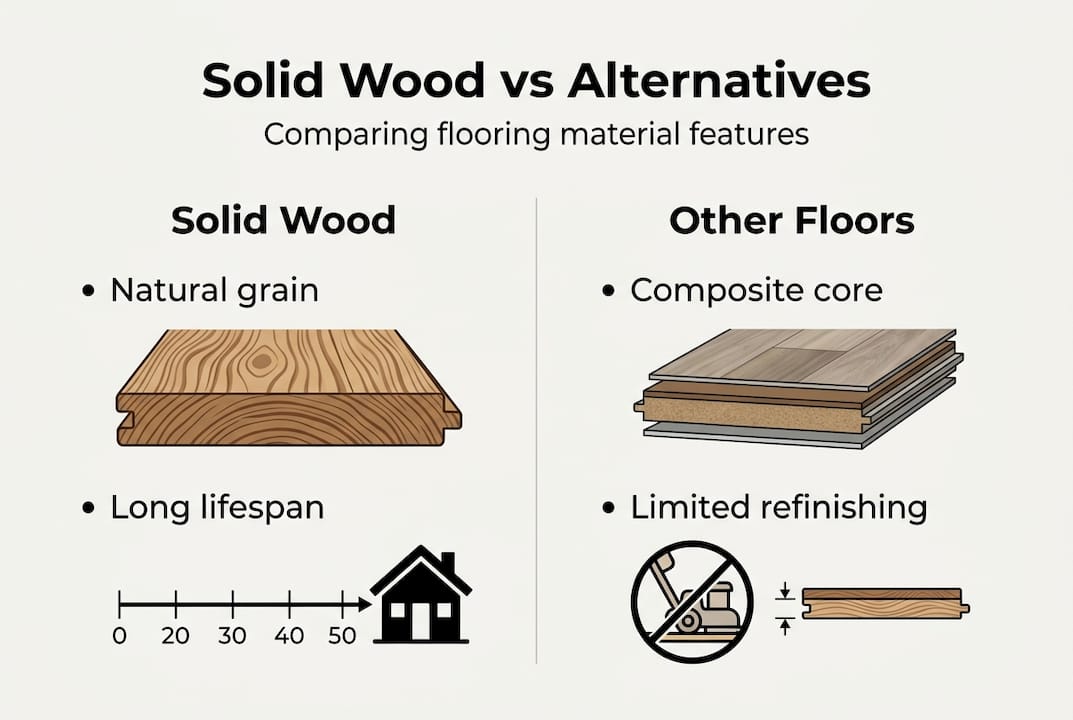
The name says exactly what it means. Solid wood flooring is constructed from a single piece of timber, milled and shaped into planks that are fitted across your floor. There are no layers, no composite cores, and no fillers. What you see on the surface runs all the way through.
The species of timber used makes a significant difference to the finished result. Popular choices include:
- Oak: Hardwearing, widely available, and versatile across traditional and contemporary interiors
- Walnut: Rich, dark tones that add warmth and a sense of luxury
- Ash: Pale and clean, with a distinctive grain that suits modern spaces
- Maple: Extremely dense and durable, often chosen for high-traffic areas
No two planks are identical. Natural knots, grain patterns, and colour variation give each floor its own character, which is something neither laminate nor engineered wood can replicate authentically.
Here is how the three main types compare at a glance:
| Feature | Solid wood | Engineered wood | Laminate |
|---|---|---|---|
| Core material | Single hardwood plank | Hardwood veneer over layers | High-density fibreboard |
| Refinishing potential | Multiple times | Limited (1-2 times) | Not refinishable |
| Lifespan | 50+ years | 20-30 years | 10-15 years |
| Moisture sensitivity | High | Moderate | Low |
| Authenticity | Fully natural | Partially natural | Synthetic |
For homeowners searching for solid wood flooring in Glasgow, understanding these distinctions is essential before making a significant investment.
Key benefits of solid wood flooring
Having grasped what solid wood flooring is, let’s discover what makes it so desirable.
Solid wood flooring can last for generations and increases property value, which sets it apart from virtually every other flooring material on the market. A well-maintained oak floor fitted in a Glasgow home today could still be serving the next generation in fifty years.
The key benefits include:
- Longevity: Properly maintained solid wood floors can last a century or more
- Refinishing: Unlike engineered or laminate alternatives, solid wood can be sanded back and refinished repeatedly, restoring it to its original condition after years of use
- Property value: Buyers consistently respond positively to genuine wood floors, making them a smart investment
- Thermal performance: Natural wood retains warmth underfoot, which matters in Glasgow’s cooler climate
- Timeless aesthetics: No trend cycle can make solid wood look dated; its appeal is enduring
Exploring wood floor design ideas reveals just how many ways solid wood can transform a space, from light Scandinavian-inspired rooms to rich, traditional Scottish interiors.
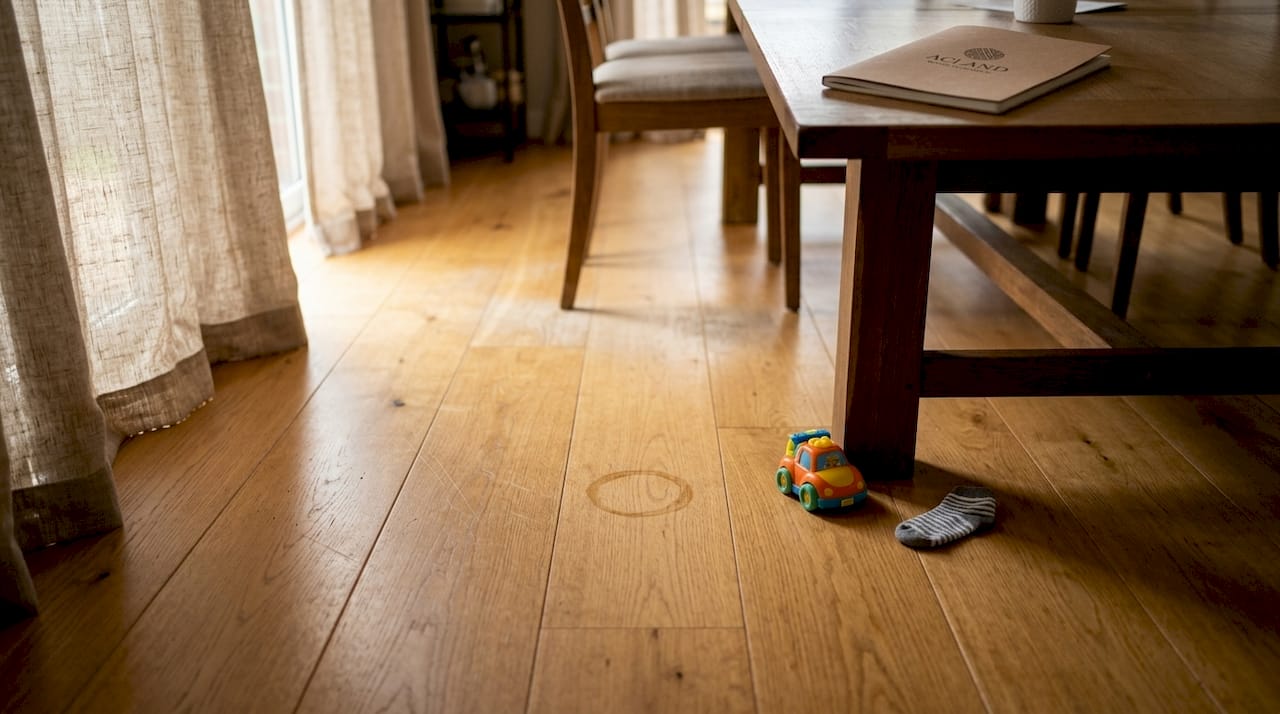
The visual character of solid wood also deepens over time. Small marks and subtle changes in colour become part of the story of the floor rather than signs of wear. This is genuinely unique to solid timber.
Pro Tip: When selecting a species and finish, consider how much natural light your room receives. Lighter species like ash and maple help brighten north-facing rooms, whilst darker timbers such as walnut create intimacy in larger, well-lit spaces.
Solid wood vs engineered wood: what’s right for you?
Understanding its strengths, many compare solid wood to engineered alternatives, especially in Glasgow’s unique environment.
Engineered wood uses a real hardwood veneer bonded to multiple layers of plywood or composite material. The layered structure makes it more dimensionally stable, meaning it expands and contracts less in response to moisture and temperature changes. Engineered wood may be more suitable for humid or variable climates like Glasgow, particularly in rooms prone to moisture fluctuation.
| Feature | Solid wood | Engineered wood |
|---|---|---|
| Stability in humidity | Lower | Higher |
| Refinishing | Multiple times | Once or twice |
| Authenticity | Full timber | Surface veneer |
| Cost | Higher | Moderate |
| Best location | Dry, stable rooms | Any room, including kitchens |
Before committing to either option, ask yourself these questions:
- Is the sub-floor concrete or timber? Concrete suits engineered wood flooring better due to moisture risk.
- Does the room experience significant humidity changes throughout the year?
- Is the floor going above, below, or at ground level?
- What is your long-term refinishing expectation?
- Is authenticity and maximum lifespan the priority, or is practicality?
Pro Tip: Before purchasing, always have a specialist assess your sub-floor and moisture levels. The wrong choice for your conditions can lead to costly problems within a few years, regardless of how premium the product is. A proper wood flooring installation starts with that honest assessment.
Installation and maintenance essentials
Choosing the right product is only half the story; proper installation and maintenance are equally vital.
Correct installation and routine upkeep are crucial to a long-lasting floor, and skipping steps here is where many homeowners run into trouble. Solid wood must acclimatise to the room’s temperature and humidity before fitting, typically for 5 to 7 days. Rushing this stage causes boards to move after installation.
Key installation and maintenance practices:
- Sub-floor preparation: The sub-floor must be level, dry, and structurally sound before any boards are laid
- Acclimatisation: Leave boards stacked in the room where they will be fitted for at least five days before installation
- Professional fitting: Solid wood is unforgiving; poorly fitted boards can creak, lift, or gap
- Regular sweeping: Remove dust and grit daily to prevent surface scratching
- Humidity control: Keep indoor humidity between 40% and 60% year-round to minimise movement
- Approved cleaning products: Use only products recommended for wood floors; never use steam or wet mops
“The floor you see is only as good as the preparation underneath it. Skipping sub-floor checks or rushing acclimatisation are the two most common reasons a beautiful floor fails within the first few years.”
Pro Tip: Use a simple hygrometer to monitor room humidity seasonally, particularly in winter when central heating dries the air significantly. This single habit can prevent gapping and warping in solid wood flooring fitting.
Always consult guidance on avoiding installation mistakes before starting any project, whether you are managing a single room or an entire property.
A fresh perspective: why solid wood flooring remains a superior choice
With process and care in mind, let’s step back and consider what truly matters when choosing a floor.
Engineered and laminate options are popular because they are easier to market as practical. But practicality without longevity is a false economy. We have spoken with many Glasgow clients who chose engineered floors for convenience, only to return years later wishing they had invested in solid wood from the start. The character that develops in solid timber over decades simply cannot be replicated. It is the only flooring material that improves with honest use. For anyone serious about the long-term quality of their interiors, expert advice for premium floors will always point towards solid wood as the superior long-term investment.
Discover solid wood flooring options in Glasgow
Ready to experience the benefits of solid wood flooring in your own property?

At Acland Wood Flooring, we work exclusively with wood floors, which means every recommendation we make is based on genuine expertise rather than a general contractor’s broad catalogue. Whether you are looking at Glasgow solid wood flooring for a single room or planning a full property renovation, we can guide you through species selection, sub-floor assessment, and professional fitting. Explore our full range of wood flooring supply and installation options and speak with a specialist who genuinely knows wood.
Frequently asked questions
How does solid wood flooring differ from engineered wood?
Solid wood is made from a single piece of hardwood throughout, whilst engineered wood uses a hardwood veneer over layered plywood. Engineered wood’s structure suits humid climates better due to greater dimensional stability.
Can solid wood flooring be refinished more than once?
Yes, solid wood can be sanded and refinished multiple times over its lifespan, unlike many engineered products. Its longevity and refinishing potential make it a genuinely long-term investment.
Is solid wood flooring a good choice for Glasgow’s humidity?
Solid wood is suitable for most Glasgow homes with proper installation and humidity control. However, engineered wood for humid climates may be a better fit in rooms with moisture challenges such as kitchens or ground-floor extensions.
What routine maintenance does solid wood flooring need?
Vacuum or sweep regularly, keep indoor humidity consistent between 40% and 60%, and use only recommended cleaning products. Always avoid wet mopping, as routine upkeep is what prevents premature wear and costly repairs.
Does solid wood flooring increase property value?
Yes, homeowners consistently see improved buyer interest and valuation thanks to solid wood’s prestige and lasting appeal. Wide plank boosts spaciousness and perceived value, making it one of the strongest flooring investments available.