
Visual texture in wood flooring is defined as the combination of surface relief and installation pattern that together create depth, character, and architectural interest underfoot. The industry term for this layered approach is “textured wood flooring,” and it covers everything from wire-brushed finishes to geometric parquet layouts. Common visual texture wood flooring examples include straight, diagonal, herringbone, chevron, parquet mosaics, and mixed-width planks, each producing a distinct visual effect. Understanding both layers, surface finish and layout geometry, is what separates a floor with genuine character from one that simply covers the ground.
1. What are the most popular installation patterns for visual texture?
Geometric layouts like herringbone and chevron create architectural texture by introducing movement and rhythm that goes far beyond colour or stain alone. The pattern you choose is the single biggest decision in wood flooring design ideas, because it determines how a room feels before anyone even notices the finish.
The main installation patterns and their visual effects are:
- Straight plank: The most widely used layout, running boards parallel to the longest wall. It reads as calm and orderly, making rooms feel longer.
- Diagonal: Planks laid at 45 degrees to the walls. This opens up smaller rooms visually and adds subtle dynamism without the complexity of geometric patterns.
- Herringbone: A zigzag layout where planks meet at 90-degree angles. The result is a strong directional rhythm that draws the eye across the floor.
- Chevron: Plank ends are cut at an angle so they form a continuous V-shape. It is sharper and more architectural than herringbone, with a cleaner, more formal finish.
- Parquet: Small geometrically arranged wood pieces assembled into mosaic-style panels. Parquet’s link with art deco design via repeating geometric forms makes it one of the most visually striking options available.
- Mixed-width planks: Boards of varying widths laid together to mimic the organic irregularity of reclaimed timber. This adds a relaxed, artisanal quality that uniform plank widths cannot replicate.
| Pattern | Visual effect | Best suited to |
|---|---|---|
| Straight plank | Calm, elongating | Hallways, bedrooms |
| Herringbone | Dynamic, rhythmic | Living rooms, dining rooms |
| Chevron | Architectural, formal | Entryways, statement spaces |
| Parquet | Decorative, art-like | Reception rooms, studies |
| Mixed-width | Organic, rustic | Kitchens, casual living spaces |
Pro Tip: For small rooms, diagonal or straight layouts visually expand the space. Reserve herringbone and chevron for larger areas where the pattern has room to breathe and make its full impact.
2. How surface finishes create visual texture in wood flooring
Surface finish is the second layer of visual texture, and it is often underestimated. The finish determines how light interacts with the floor, how grain and knots read to the eye, and how the floor ages over time.
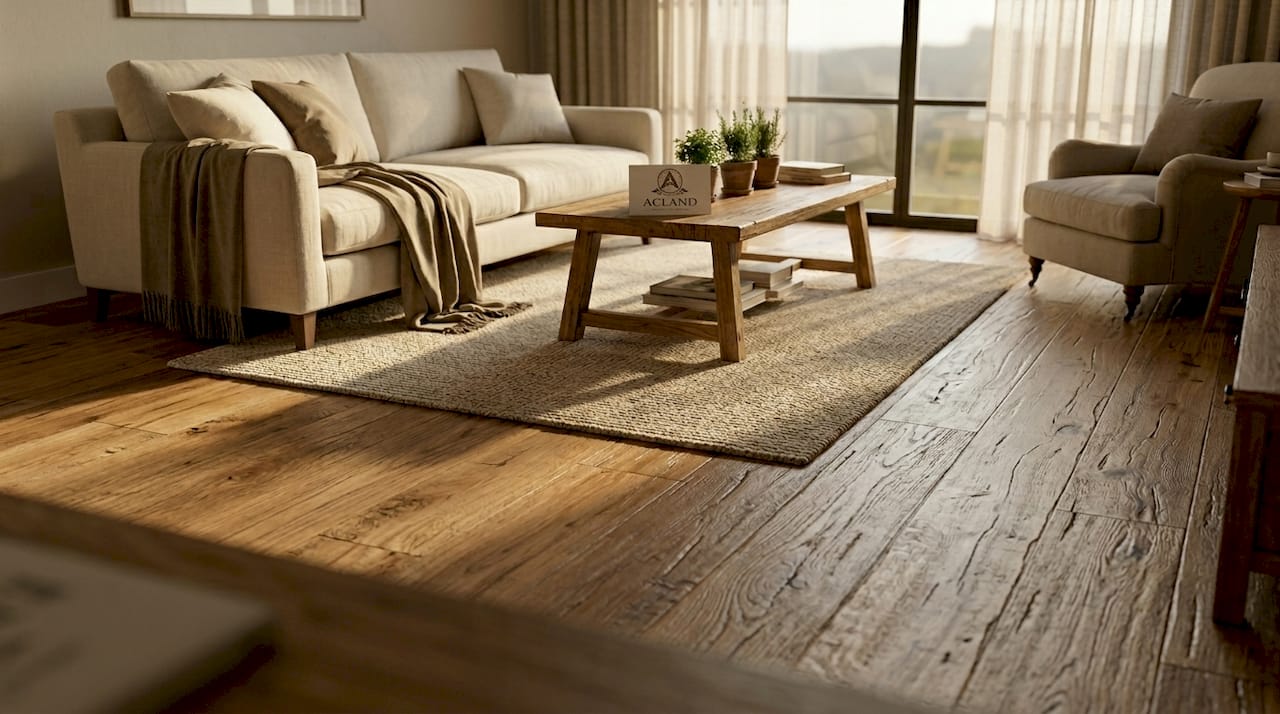
Wire-brushed finishes remove the softer fibres from the wood surface, leaving the harder grain raised and visible. Wire-brushed flooring emphasises knots and grain variation, producing a texture-forward, antique-style look with a low-gloss sheen that feels genuinely tactile underfoot. The brushing intensity varies between products, so inspect samples carefully before committing.
Hand-scraped and distressed finishes go further. Hand-scraped flooring adds visible character depth and highlights natural grain movement and colour variation unique to each plank. No two boards look identical, which gives the floor a handcrafted quality that machine-finished products cannot match.
Matte and oiled finishes sit at the subtler end of the spectrum. They do not amplify texture the way wire-brushing does, but they allow the natural wood character to show without the reflective distraction of high gloss. Matte and wire-brushed finishes hide scuffs and marks far better than polished gloss floors, making them the practical choice for busy households.
Pro Tip: Finish sheen largely determines whether your floor shows wear marks or stays forgiving. Matte and brushed finishes perform best at hiding everyday scratches, so prioritise them in high-traffic areas like hallways and kitchens.
3. How combining pattern and finish maximises visual texture
Treating texture as two separate layers, surface relief and layout geometry, is the key to creating convincing and lasting visual interest. A wire-brushed finish on a straight plank is pleasant. The same finish on a herringbone pattern is genuinely striking. The combination multiplies the effect of each individual element.
Consider these pairings:
“Layering visual texture by combining surface relief with geometric layout creates the deepest perception of texture and richness.” — Wagner Meters
A hand-scraped finish on a parquet layout, for example, adds rustic warmth to a pattern that is already architecturally strong. A wire-brushed chevron in a pale ash tone reads as modern and tactile simultaneously. Colour tone also plays a role. Honey, blonde, platinum, and dark finishes each change how a geometric pattern feels, shifting the mood from casual warmth to formal drama.
| Combination | Visual result | Room mood |
|---|---|---|
| Wire-brushed + herringbone | Textured, rhythmic | Warm, characterful |
| Hand-scraped + parquet | Rustic, decorative | Artisanal, inviting |
| Matte + chevron | Clean, architectural | Modern, formal |
| Smooth + straight plank | Understated, calm | Minimal, contemporary |
For a deeper look at how to execute these pairings in practice, the wood floor layering methods guide from Aclandwoodflooring covers the technical side in detail.
4. Which textures suit different rooms and design styles?
Matching the right texture to the right room is where wood flooring design ideas move from theory into practice. The function of a room, its size, and its overall style all influence which combination works best.
- Entryways and hallways: Chevron or herringbone patterns make an immediate statement in the first space guests see. Pair with a wire-brushed or oiled finish for durability under heavy foot traffic.
- Living rooms: Herringbone in a warm oak tone with a hand-scraped surface adds character without overwhelming the space. Mixed-width planks work equally well for a relaxed, informal feel.
- Dining rooms: Parquet patterns suit formal dining rooms where the floor functions almost as a decorative centrepiece. A matte finish keeps the look grounded rather than showy.
- Kitchens: Straight or diagonal planks in a wire-brushed finish are the practical choice. They handle spills and scuffs gracefully and complement both traditional and contemporary kitchen styles.
- Bedrooms: Smooth matte finishes on wide straight planks create calm and warmth underfoot. Avoid highly textured surfaces in bedrooms, where the tactile experience matters more than visual drama.
- Small rooms: Diagonal layouts or long straight planks running the length of the room visually expand the space. Avoid busy geometric patterns, which can make compact rooms feel cluttered.
- Modern interiors: Chevron in a pale or grey-toned wood with a smooth matte finish suits modern home styles that prioritise clean lines over rustic character.
For a broader look at how floor patterns suit different home styles, Aclandwoodflooring has a dedicated guide covering the full range of options.
Key takeaways
The strongest visual texture in wood flooring comes from layering a texture-forward surface finish with a geometric installation pattern, not from choosing one or the other alone.
| Point | Details |
|---|---|
| Two layers define texture | Surface finish and installation pattern must both be considered for genuine visual depth. |
| Wire-brushed hides wear | Matte and wire-brushed finishes conceal everyday scratches better than high-gloss alternatives. |
| Pattern suits room size | Use straight or diagonal layouts in small rooms; reserve herringbone and chevron for larger spaces. |
| Colour tone shapes mood | Honey, blonde, and dark tones each alter how geometric patterns feel, from casual to formal. |
| Layering multiplies impact | Combining hand-scraped or wire-brushed finishes with parquet or herringbone creates the richest result. |
What I have learned from years of wood flooring choices
After seeing hundreds of floors installed across Glasgow and the surrounding area, the single most common regret I hear from homeowners is choosing a high-gloss finish on a geometric pattern. It sounds impressive in a showroom, but within six months the floor shows every footprint and scuff, and the pattern that was meant to be the focal point gets lost in the reflective noise.
The floors that age best are the ones where the surface finish and the pattern are chosen together, not separately. A wire-brushed herringbone in a mid-tone oak is not just beautiful on day one. It still looks intentional and characterful five years later, because the texture absorbs the signs of daily life rather than broadcasting them.
My honest advice: do not treat the finish as an afterthought once you have chosen your pattern. Visit a showroom like the Mafi Natural Wooden Floors Showroom to see how different finishes interact with light in a real space. And if you are drawn to parquet or chevron, consider a hand-scraped or wire-brushed surface. The combination rewards you every time you walk into the room.
— John
Bring your textured floor to life with Aclandwoodflooring
If this article has given you a clearer picture of the textured floor you want, the next step is turning that inspiration into a real installation.

Aclandwoodflooring supplies and installs the full range of patterns and finishes discussed here, from wire-brushed herringbone to hand-scraped parquet, across Glasgow and the surrounding area. The team offers honest, expert advice tailored to your room, your lifestyle, and your budget. Start with the layering methods guide to plan your combination, or explore the herringbone installation workflow if you have already settled on a pattern. For bespoke advice, get in touch directly.
FAQ
What is visual texture in wood flooring?
Visual texture in wood flooring refers to the combined effect of surface relief (such as wire-brushed or hand-scraped finishes) and installation pattern (such as herringbone or parquet). Together, these two elements create depth, character, and architectural interest.
Which wood floor finish hides scratches best?
Matte and wire-brushed finishes hide everyday scratches and scuffs far better than high-gloss alternatives, making them the practical choice for busy households and high-traffic areas.
Is herringbone or chevron better for visual texture?
Both create strong geometric texture, but chevron produces a sharper, more continuous V-shape that reads as more formal and architectural. Herringbone has a more relaxed zigzag rhythm that suits a broader range of interior styles.
Can I use textured wood flooring in a small room?
Heavily textured geometric patterns like parquet can make small rooms feel busy. In compact spaces, a straight or diagonal plank layout with a wire-brushed finish delivers visual interest without overwhelming the room.
What is parquet flooring and why does it add texture?
Parquet flooring uses small geometrically arranged wood pieces to create mosaic-style panels. Its repeating geometric forms, closely linked to art deco design, produce one of the most visually striking and texture-rich floor styles available.